


Classes & Workshops
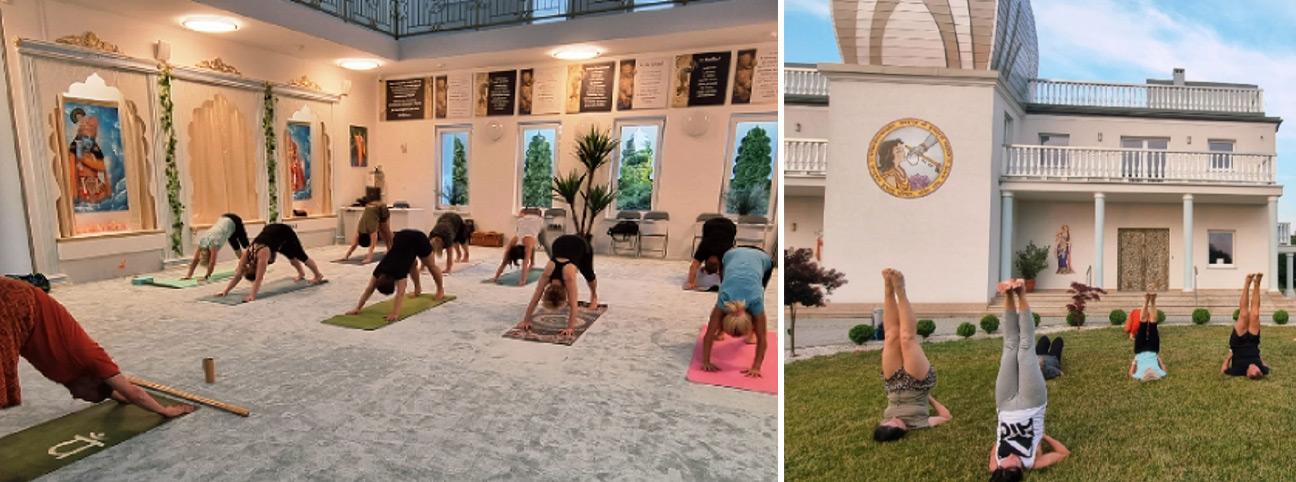
For beginners, hatha yoga mainly involves whole-body exercises designed to strengthen, stretch and relax the muscles, thereby improving joint mobility. You don’t need to be flexible or have any previous experience of yoga to get started. Everyone practises within their own capabilities, and the practice can be either gentle and restorative or more challenging. We learn correct breathing and how to synchronise it with movement and exertion. For some, the focus will be primarily on working with the body and physical exertion; for others, it will be on calmness, concentration, relaxation and stabilising the nervous system.
The class methodology draws on knowledge from the fields of biomechanics, kinesiology, medical sciences and rehabilitation, including, amongst other things, the carefully selected use of concentric and eccentric work of muscle groups, the development of strength and stability, and the coordination of the muscular system with the circulatory and respiratory systems. Attention is paid to correct body posture and the conscious engagement of the pelvic floor muscles and their coordination with the abdominal muscles and the diaphragm, thereby establishing a correct breathing pattern. The use of ancient hatha yoga asanas (postures), the traditional cikitsā approach and contemporary medical knowledge can support improvements in overall health, alongside practices such as kapālabhāti, pranayama, bandhas, mantras, concentration, meditation and relaxation.
Regular practice, including at home, can support general health, fitness, body awareness, coordination, balance and the ability to function well in everyday life. A healthy diet and sufficient sleep are also important. Anyone can receive a FREE consultation on a set of exercises to practise at home, tailored to their individual abilities and limitations. At the end of the session, there is often a RELAXATION session whilst lying down, to promote calm, concentration and meditation to the sound of singing bowls.
There’s no comparing or competing – this practice is for you, for your health, amongst a group of smiling people.
| TIMES: | REGISTRATION AND PAYMENT: |
| Wednesdays, 8.00 pm – 9.30 pm | Registration, payment and enquiries to be made directly to the course leader: hathayoga.health@gmail.com |
- please bring a mat and a positive attitude (a strap, a block and a blanket may also be useful);
- please eat a substantial meal no later than 2 hours before the class;
- please ensure you are properly hydrated before the class;
- in the event of feeling unwell, illness, injury or other medical conditions preventing physical exertion, please consult a doctor or relevant specialist beforehand;
- if you feel unwell during the class, please stop exercising and inform the instructor;
- in the event of an emergency, the organiser reserves the right to make changes to the class schedule and organisation.
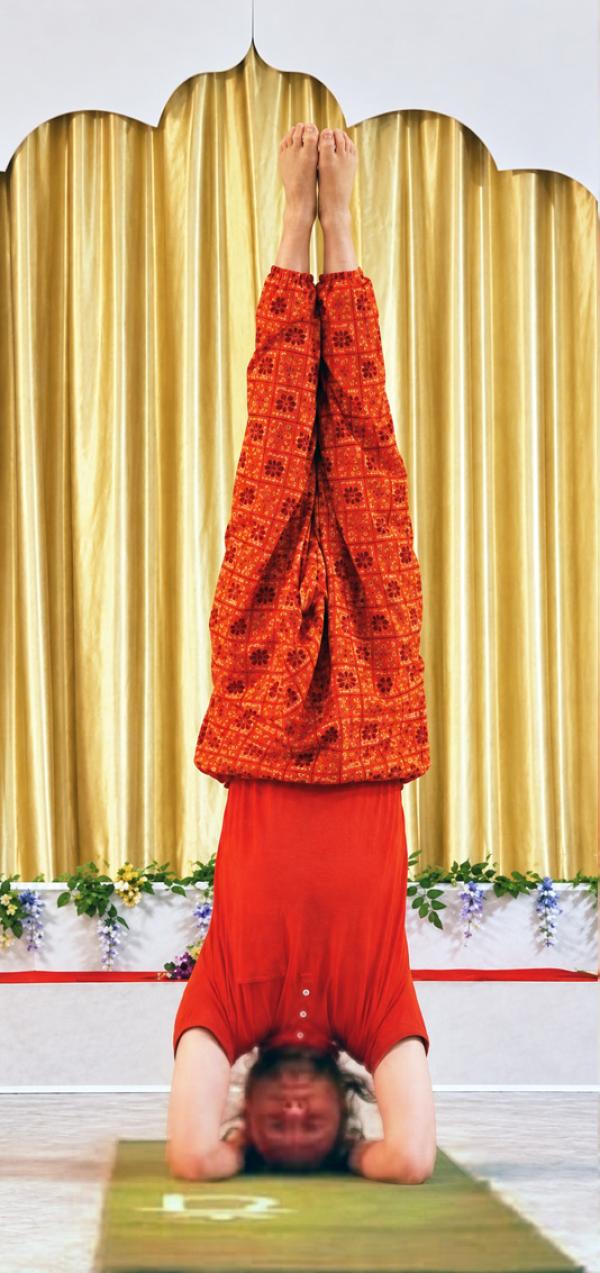
A graduate of, amongst other things, the postgraduate programme in Relaxation and Yoga at the Faculty of Rehabilitation, University of Physical Education in Warsaw, and the Yoga Instructor Course at the Kaivalyadhama Yoga Institute in India, covering the philosophy, theory and practice of yoga. His studies and the course covered, amongst other things, anatomy, biomechanics, kinesiology, physiology, methodology, prevention and the traditional holistic practice of hatha yoga.
He has further developed his expertise through additional courses, including Onco-yoga, Prevention and re-education of the pelvic floor muscles in yoga, Yoga for seniors and A healthy spine in yoga, as well as postgraduate studies in herbs and dietary supplements and teacher training. He is also a graduate of courses in quality management and administrative law.
His many years of practical experience include numerous courses, training programmes, workshops and practical sessions in traditional yoga and Ayurveda, including four stays in India – notably in Rishikesh, Haridwar and Varanasi – as well as at centres, ashrams and sites associated with the traditional practice of yoga and Ayurveda. He has also taken part in workshops led by H.E. Chandra Bhandari, a retired Indian ambassador and diplomat.
Author of articles on yoga, kinesitherapy, kinesiprophylaxis, asanas and the use of medicinal plants in preventive healthcare. A participant in academic conferences and a member of the Indian Yoga Association.
In his practice, he combines traditional hatha yoga with contemporary academic knowledge in the fields of health sciences, rehabilitation, biomechanics and kinesiology. The classes he leads are the result not only of the instructor training courses he has completed, but also of many years of practice, academic education, experience working with participants and first-hand exposure to the traditions of yoga in India.
Śubhaṃ bhavatu